Top Mountain Road Trip Routes: Embark on a thrilling journey through breathtaking landscapes and winding mountain passes. This guide explores the world’s most scenic and adventurous drives, offering detailed itineraries, safety tips, and planning advice to help you craft an unforgettable mountain escape. We’ll delve into various route types, from challenging off-road adventures to leisurely scenic drives, catering to different experience levels and preferences.
Whether you’re a seasoned adventurer or a first-time mountain explorer, we provide comprehensive information to assist in planning your perfect trip. From selecting the ideal destination and crafting a detailed itinerary to understanding potential hazards and ensuring your safety, this guide serves as your comprehensive companion for an epic mountain road trip.
Defining “Top Mountain Road Trip Routes”

A “top” mountain road trip route transcends mere geographical location; it’s a curated experience encompassing breathtaking scenery, a thrilling driving challenge, reasonable accessibility, and a memorable adventure. It’s about more than just reaching a destination; it’s about the journey itself. The criteria for “top” status are subjective, influenced by individual preferences, but generally involve a combination of objective factors that contribute to an exceptional driving experience.Several factors contribute to the overall quality of a mountain road trip.
Scenic beauty is paramount, with routes offering panoramic vistas, unique geological formations, and perhaps even glimpses of wildlife. The driving experience itself should be engaging, perhaps involving challenging curves, steep inclines, and stunning overlooks. Accessibility is also crucial; a route should be reasonably navigable for the intended vehicle type, with considerations for road conditions and potential hazards. Finally, the overall adventure – the feeling of exploration and discovery – is key to creating a truly unforgettable experience.
Types of Mountain Road Trips
Mountain road trips cater to diverse interests and skill levels. Adventurous off-roading routes, often found in rugged terrains, require specialized vehicles and driving expertise. These routes offer a raw, challenging experience, rewarding drivers with unparalleled access to remote landscapes. Scenic drives, in contrast, focus on breathtaking views and comfortable driving conditions, ideal for leisurely exploration and sightseeing. Historical routes, meanwhile, blend scenic beauty with cultural significance, often traversing areas with rich history and heritage, offering a journey through time alongside stunning landscapes.
For example, the Million Dollar Highway in Colorado combines stunning scenery with historical significance as a former stagecoach route.
Categorization System for Mountain Road Trip Routes
A comprehensive categorization system for mountain road trip routes would consider difficulty level, length, and seasonality. Difficulty could be categorized as easy, moderate, and challenging, considering factors such as road conditions, elevation changes, and technical driving demands. Length could be categorized by distance, for example, short (under 100 miles), medium (100-300 miles), and long (over 300 miles). Seasonality is critical, with some routes only accessible during specific times of the year due to snow, ice, or other weather conditions.
For example, the Trail Ridge Road in Rocky Mountain National Park is often closed during winter due to heavy snowfall, while other routes may be more challenging in summer due to potential for flash floods or wildfires. A well-structured database could use a combination of these factors to help travelers choose routes suitable for their skills and preferences.
This would allow users to filter for specific requirements, ensuring a safe and enjoyable experience.
Planning a Mountain Road Trip: Top Mountain Road Trip Routes
Embarking on a mountain road trip requires meticulous planning to ensure a safe and enjoyable experience. Careful consideration of itinerary, essential items, and budget is crucial for a successful adventure. This section provides a framework to guide your preparations.
Seven-Day Mountain Road Trip Itinerary Template
A well-structured itinerary is fundamental for maximizing your time and minimizing stress. This template provides a flexible framework adaptable to various mountain ranges and personal preferences. Remember to adjust driving distances based on road conditions and your comfort level.
| Day | Location | Driving Distance (approx.) | Suggested Stops | Accommodation |
|---|---|---|---|---|
| 1 | Starting Point – Scenic Town A | 100 miles | Local museum, scenic overlook | Charming Bed and Breakfast |
| 2 | Scenic Town A – Mountain Pass B | 150 miles | Hiking trail, roadside picnic area | Mountain Lodge with stunning views |
| 3 | Mountain Pass B – High-Altitude Lake C | 75 miles | Lakefront cafe, boat rental | Cabin near the lake |
| 4 | High-Altitude Lake C – National Park D | 125 miles | Visitor center, short nature walk | Camping within the National Park (reservations recommended) |
| 5 | National Park D – Mountain Village E | 100 miles | Scenic drives, wildlife viewing | Cozy mountain inn |
| 6 | Mountain Village E – Scenic Town F | 175 miles | Antique shops, local brewery | Boutique hotel |
| 7 | Scenic Town F – Home | 200 miles | Last scenic stop, souvenir shopping | N/A |
Essential Items Checklist for a Mountain Road Trip
Packing the right items is vital for a comfortable and safe journey. This checklist categorizes essential items for easy reference.
Prioritizing safety, navigation, and comfort ensures a smoother trip. Remember to adapt this list based on the specific location and duration of your journey.
- Safety: First-aid kit, emergency flares, jumper cables, tire pressure gauge, spare tire, flashlight, tire chains (depending on the season and location).
- Navigation: GPS device or smartphone with offline maps, physical map, compass.
- Comfort: Comfortable clothing (layers are essential), sturdy hiking shoes, sunscreen, sunglasses, hat, insect repellent, water bottle, snacks.
- Vehicle: Ensure your vehicle is properly serviced before departure, including checking fluids, brakes, and tires.
- Documents: Driver’s license, vehicle registration, insurance information, emergency contact information.
Sample Budget for a Seven-Day Mountain Road Trip, Top Mountain Road Trip Routes
Budgeting accurately ensures a financially responsible adventure. This sample budget provides estimates; adjust based on your chosen destinations and preferences.
This budget is an example and can vary widely based on your travel style and chosen locations. Consider researching specific costs for your chosen route.
| Expense Category | Estimated Cost |
|---|---|
| Gas | $300 (depending on vehicle and distance) |
| Accommodation (7 nights) | $700 (average $100/night, can vary greatly) |
| Food (7 days) | $350 (allowing for both restaurant meals and grocery shopping) |
| Activities & Entrance Fees | $250 (this is highly variable based on chosen activities) |
| Miscellaneous (souvenirs, etc.) | $100 |
| Total Estimated Cost | $1700 |
Safety and Preparedness
Embarking on a mountain road trip promises breathtaking scenery and unforgettable experiences, but it’s crucial to prioritize safety and preparedness to ensure a smooth and enjoyable journey. Thorough planning and awareness of potential hazards are essential for mitigating risks and ensuring a safe return. This section details vital safety measures and resources to help you navigate the challenges of mountainous terrain.
Weather Awareness and Vehicle Preparation
Mountain weather is notoriously unpredictable, shifting dramatically in short periods. Before your trip, meticulously check weather forecasts for your entire route and anticipate potential changes. Pack layers of clothing suitable for a wide range of temperatures, including waterproof and windproof outerwear. Ensure your vehicle is in optimal condition. Check tire pressure, fluids (oil, coolant, brake fluid), and brakes before departure.
Carry a well-stocked emergency kit including jumper cables, a first-aid kit, and a basic tool set. Consider carrying tire chains, especially if traveling during winter months or to higher altitudes where snow is a possibility. A fully charged cell phone and portable charger are also essential, although cell service may be unreliable in remote areas.
Potential Hazards and Risks
Mountain road trips present unique challenges. Altitude sickness can affect individuals at higher elevations, causing symptoms like headache, nausea, and shortness of breath. Acclimatize gradually to higher altitudes to reduce the risk. Wildlife encounters are another possibility; bears, mountain lions, and other animals inhabit mountainous regions. Maintain a safe distance from wildlife and never approach or feed them.
Unpredictable weather, including sudden storms, fog, and snow, can significantly impact driving conditions. Be prepared for delays and potential road closures. Steep inclines, sharp curves, and narrow roads require cautious driving and awareness of your vehicle’s limitations.
Emergency Contact Numbers and Resources
Having readily accessible emergency contact information is paramount. While specific numbers vary by region and country, it’s crucial to research and save emergency services numbers for each area you’ll be traversingbefore* you leave. For instance, in the United States, 911 is the universal emergency number. However, in remote areas, cell service may be limited or unavailable. In such cases, carrying a satellite phone or personal locator beacon (PLB) can be life-saving.
Additionally, it’s advisable to inform someone of your itinerary, including your planned route, estimated arrival times, and emergency contacts. Many national parks and forest services offer helpful websites and brochures with detailed safety information and emergency contact numbers specific to their areas. Always research the specific region you are traveling through to access the most relevant and updated information.
Exploring Related Travel Options
Planning a mountain road trip doesn’t have to be limited to driving alone. Integrating other modes of transport and considering diverse accommodation options can enhance your experience and cater to various budgets and preferences. This section explores the advantages and disadvantages of combining your mountain road trip with other travel methods, and examines a range of lodging choices to help you plan the perfect adventure.
Combining Mountain Road Trips with Other Travel Methods
Combining a mountain road trip with flights, trains, or cruises offers unique possibilities for exploring broader regions and incorporating diverse experiences. However, each method has its own set of advantages and disadvantages that need careful consideration.
- Flights: Flying can significantly reduce travel time, especially for long distances. This is particularly beneficial if your mountain destination is far from your starting point. However, flights add cost and can limit your ability to spontaneously explore roadside attractions. Example Itinerary: Fly into Denver, rent a car, and explore the Rocky Mountain National Park before returning to Denver for your flight home.
This avoids a long drive each way, focusing your time on the park itself.
- Trains: Train travel provides scenic views and a relaxing alternative to driving. However, train routes may not always reach your desired mountain destination, requiring additional transportation. Example Itinerary: Take the Amtrak to a city near the Appalachian Mountains, rent a car to explore the region’s hiking trails, and then return to the city for your train journey home.
This combines the scenic train journey with the flexibility of a road trip.
- Cruises: While not directly related to mountain road trips, cruises can serve as a starting or ending point, allowing you to explore coastal regions before or after your mountain adventure. Example Itinerary: Embark on a cruise to Alaska, then rent a car in a port city like Seward to explore Denali National Park before flying back home. This approach offers a combination of cruise and mountain road trip elements.
Budget-Friendly Accommodation Options
Budget constraints shouldn’t limit your mountain road trip. A variety of affordable lodging choices exist, allowing you to tailor your accommodation to your needs and preferences.
- Hostels: Hostels offer dorm-style rooms or private rooms at significantly lower costs than hotels. They often provide a social atmosphere, allowing you to meet fellow travelers.
- Camping: Camping is an extremely cost-effective option, immersing you in nature. Many national and state parks offer designated campsites with varying levels of amenities.
- Budget Hotels: Chains like Motel 6 or Super 8 offer basic but functional rooms at affordable prices, often located conveniently along major highways.
Vacation Rentals, Airbnbs, and RV/Camper Travel
These options offer different levels of flexibility, comfort, and cost. Consider these factors when choosing your accommodation:
- Vacation Rentals/Airbnbs: Offer more space and amenities than hotels, often including kitchens and laundry facilities. However, they can be more expensive than budget hotels, and availability varies.
- RV/Camper Travel: Provides ultimate flexibility, allowing you to travel and sleep wherever you want. However, RVs require significant upfront investment or rental costs, and maintenance can be expensive.
| Feature | Vacation Rentals/Airbnbs | RV/Camper Travel |
|---|---|---|
| Cost | Moderate to High | High (initial investment/rental) |
| Flexibility | Moderate | High |
| Space | High | Moderate to High |
| Amenities | Variable, often includes kitchen | Variable, often includes basic kitchen and sleeping areas |
Unique Stay Options: Treehouses and Houseboats
While less common in mountainous regions, unique accommodation options can add a special touch to your trip.
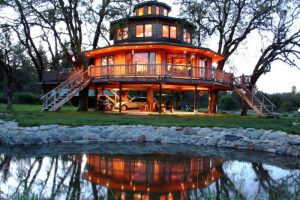
- Treehouses: Imagine waking up to the sounds of nature, nestled in a treetop retreat. While less frequent in mountainous areas due to terrain challenges, some resorts offer treehouse accommodations near mountain ranges, providing a tranquil and unique experience. Picture a cozy cabin-like structure elevated among the trees, with large windows offering panoramic views of the surrounding mountains and valleys.
The experience is secluded and peaceful, offering a contrast to the typical hotel stay.
- Houseboats: Although typically associated with lakes, houseboats could be found in mountainous regions with large lakes or reservoirs. These floating homes offer a different perspective of the mountains, with stunning views from the water. Visualize a spacious houseboat with a deck for relaxing, equipped with all the comforts of home, gently rocking on the water with a majestic mountain range as your backdrop.
Finding Flight and Train Travel Discounts
Several strategies can help you save money on transportation:
- Flight Deals: Use flight comparison websites (e.g., Google Flights, Skyscanner) to find the best prices. Be flexible with your travel dates and consider flying mid-week or during the off-season.
- Train Travel Discounts: Look for senior, student, or group discounts. Consider purchasing tickets in advance or utilizing rail passes for multiple journeys.
Cruise Ship Review Framework
A comprehensive cruise ship review should cover:
- Onboard Amenities: Describe the ship’s facilities, such as restaurants, pools, spas, and entertainment options. Note the quality and variety of offerings.
- Excursions: Evaluate the quality and value of shore excursions offered at each port of call. Consider the variety of options and their suitability for different interests.
- Customer Service: Assess the friendliness, helpfulness, and responsiveness of the ship’s staff. Note any instances of exceptional or poor service.
Planning a mountain road trip is an exciting endeavor, filled with the promise of stunning vistas and thrilling adventures. By carefully considering the factors Artikeld in this guide – from choosing the right route and time of year to prioritizing safety and preparedness – you can ensure a memorable and rewarding experience. Remember to embrace the journey, appreciate the beauty of the mountains, and create lasting memories on your next unforgettable mountain road trip.
Query Resolution
What is the best car for a mountain road trip?
The best car depends on the route’s difficulty. For paved scenic routes, an SUV or sedan is suitable. For off-roading, a high-clearance 4×4 vehicle is necessary.
How much should I budget for a mountain road trip?
Budget varies greatly depending on duration, location, and travel style. Expect to factor in gas, accommodation, food, activities, and potential emergency expenses.
What about altitude sickness?
Altitude sickness is a real concern. Ascend gradually, stay hydrated, and consider altitude sickness medication if necessary. Consult your doctor before traveling to high altitudes.
What are some less-known mountain road trip routes?
Research lesser-known national parks and scenic byways. Websites and travel blogs often feature hidden gems with stunning mountain scenery.