Best Train Routes for Photography Enthusiasts: Embark on a visual journey across breathtaking landscapes, capturing stunning images from the unique perspective of a moving train. This guide explores the world’s most scenic rail routes, offering insights into maximizing photographic opportunities during golden and blue hours, and detailing the best techniques for capturing those fleeting moments of beauty. Whether you’re a seasoned professional or an enthusiastic amateur, discover how to plan the perfect photography-focused train trip, from choosing the ideal route and time of year to selecting the right equipment and mastering essential photographic techniques.
We delve into various photographic styles suited to train travel, including landscape, architectural, and street photography, offering practical tips and advice on equipment, composition, and post-processing. Learn how to overcome the challenges of shooting from a moving train, and discover how to plan an itinerary that maximizes your chances of capturing unforgettable images. This guide also provides valuable information on travel logistics, including budgeting, accommodation options, and alternative travel methods, ensuring you have a smooth and successful photographic adventure.
Golden Hour and Blue Hour Photography on Trains: Best Train Routes For Photography Enthusiasts
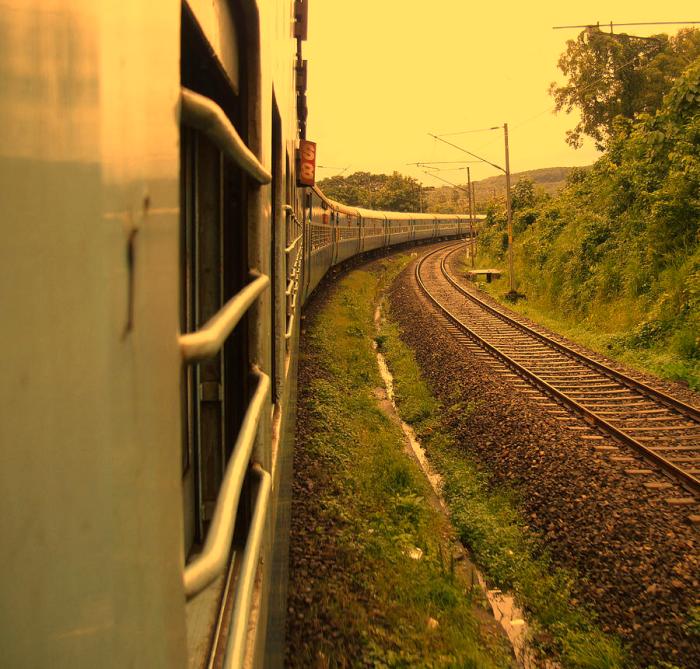
Capturing the fleeting beauty of golden hour and blue hour presents unique challenges and rewards for photographers, especially those working from a moving train. The constantly shifting perspective and limited time window require careful planning and a keen understanding of light and camera settings. This section will explore strategies for maximizing photographic opportunities during these special times of day while traveling by train.
Golden Hour and Blue Hour Photography Itinerary: The Coast Starlight
This itinerary focuses on the Amtrak Coast Starlight route, specifically the segment between Los Angeles and San Luis Obispo, known for its stunning coastal views. The optimal time for this trip would be during the late spring or summer months for extended daylight hours.
Day 1: Los Angeles to San Luis Obispo
Morning Departure (Los Angeles): Depart Los Angeles Union Station around 7:00 AM. This allows for capturing the early morning light on the city’s outskirts before the sun rises too high. Focus on capturing the urban landscape transforming into the coastal scenery.
Golden Hour (Santa Barbara Area): Arrive in the Santa Barbara area around 11:00 AM to 12:00 PM. The train travels along the coast, offering incredible views of the ocean and mountains. This is ideal for capturing golden hour light reflecting off the water. Specific locations like the Gaviota State Park area provide exceptional opportunities for wide-angle shots of the coastline bathed in the warm, golden light.
Blue Hour (San Luis Obispo Arrival): Arrive in San Luis Obispo around 6:00 PM to 7:00 PM. The blue hour light offers a completely different mood, casting long shadows and a soft, cool light. Capture the town’s architecture and the surrounding hills illuminated in this beautiful, subdued light. The train station itself can provide a unique vantage point for capturing the changing light.
Camera Settings for Golden Hour and Blue Hour
Optimizing camera settings is crucial for capturing the nuances of golden hour and blue hour. During golden hour, the light is warmer and softer, so a slightly lower ISO (around 200-400) can be used to minimize noise. A wider aperture (f/2.8-f/5.6) will help blur the background and isolate your subject, creating a shallow depth of field. A slower shutter speed (1/60th of a second or slower, depending on train speed and focal length) might be needed to capture sufficient light.
Use a tripod or image stabilization for sharper images.Blue hour requires a different approach. The light is significantly dimmer, so a higher ISO (up to 1600 or higher, depending on your camera’s capabilities) might be necessary. Maintain a relatively wide aperture (f/2.8-f/4) to gather as much light as possible. Shutter speeds will likely need to be slower, increasing the risk of motion blur from the moving train.
A tripod or image stabilization is crucial here. Consider using a remote shutter release to minimize camera shake.
Utilizing Filters and Equipment
Using a polarizing filter can help reduce glare and reflections, especially beneficial when photographing water during golden hour. A graduated neutral density (GND) filter can balance the exposure between the bright sky and the darker foreground, preventing overexposure in the sky. A tripod is essential for capturing sharp images, especially during blue hour when shutter speeds are slower.
A remote shutter release will minimize camera shake. Consider a monopod as a lighter alternative to a tripod if space is limited. A lens hood will help to reduce lens flare, especially when shooting into the setting or rising sun.
Types of Photography Suitable for Train Journeys
Train travel offers a unique perspective for photography enthusiasts, allowing for diverse subjects and dynamic compositions not readily accessible from other vantage points. The rhythmic movement of the train, the changing landscapes, and the glimpses into everyday life along the tracks all contribute to a rich tapestry of photographic opportunities. This section explores three photographic genres particularly well-suited to train journeys, examining their requirements and suggesting compositional approaches.
Landscape Photography from Trains
Landscape photography is a natural fit for train travel. The constantly shifting scenery provides a continuous stream of potential shots, from sweeping vistas to intimate details. Examples include capturing the vast expanse of a prairie unfolding before you, the dramatic peaks of a mountain range reflected in a lake, or the intricate patterns of a rural farmland. The speed of the train can create interesting motion blur effects, adding a dynamic quality to otherwise static scenes.
Architectural Photography from Trains
Architectural photography on a train allows for unique perspectives on buildings and structures. Instead of the typical ground-level view, the elevated position offers new angles and compositions. Examples include capturing the intricate details of a historic building’s facade, the geometric patterns of a modern skyscraper, or the charming clusters of houses in a small town. The train’s movement can also create a sense of scale and perspective, highlighting the size and grandeur of certain structures.
Remember to shoot from a stable position to avoid blur.
Street Photography from Trains
Street photography, while seemingly less obvious, offers exciting possibilities during train journeys. From the train window, you become an observer of everyday life, capturing fleeting moments of human interaction and urban environments. Examples include candid shots of people going about their daily routines at a station, the bustling activity of a market viewed from a distance, or the quiet contemplation of a lone figure in a park alongside the tracks.
The train’s movement can add a sense of dynamism to these candid shots, transforming ordinary scenes into compelling narratives.
Equipment Comparison for Train Photography
The equipment needs for each type of photography vary somewhat, though a versatile kit can handle all three. Landscape photography might benefit from a wide-angle lens to capture expansive views, while architectural photography could use a telephoto lens for detail shots of distant buildings. Street photography often calls for a faster lens to capture fleeting moments and handle low-light situations.
A tripod is generally less practical on a moving train, though image stabilization features in cameras and lenses are helpful. For all three, a good quality camera with a fast shutter speed is essential to avoid motion blur.
Visual Guide to Composition Techniques
A visual guide would include three panels, one for each type of photography. Landscape Photography: The panel would show an image demonstrating the rule of thirds, with the horizon line positioned along one of the thirds, and key elements like mountains or trees placed at the intersections. It would also highlight the use of leading lines, such as a road or river, to draw the viewer’s eye into the scene.
An example could show a panoramic shot with a winding river leading towards a distant mountain range. Architectural Photography: This panel would feature an image showcasing the use of perspective, with lines converging to create depth and emphasize the scale of a building. It would also illustrate how different angles, such as a high-angle shot from the train window, can dramatically alter the composition and highlight architectural details.
The example could depict a tall building, shot from a high angle, showing its many stories and intricate details. Street Photography: This panel would showcase candid shots, demonstrating the use of natural light and composition techniques to capture moments of everyday life. It might include examples of how to use negative space effectively to highlight a subject, and how to use leading lines to draw attention to the subject within the busy street scene.
An example might show a lone person walking down a street, with a blurred background emphasizing their isolation.
Planning the Perfect Photography Train Trip
Embarking on a photography-focused train journey requires meticulous planning to ensure a smooth and creatively fulfilling experience. Careful consideration of your itinerary, packing list, and budget will significantly impact the success of your trip. This section provides a framework for planning your perfect photography adventure by rail.
Sample Seven-Day Photography Train Journey Itinerary, Best Train Routes for Photography Enthusiasts
This itinerary focuses on a classic route offering diverse photographic opportunities, assuming a starting point in Switzerland. Adjustments can be made based on your preferred location and photographic interests. The emphasis is on maximizing daylight hours for optimal shooting conditions.
- Day 1-2: Zurich to Lucerne – Swiss Alps: Begin in Zurich, exploring its architectural wonders and cityscape before taking a scenic train journey to Lucerne. Capture the iconic Chapel Bridge and Water Tower, then spend a day exploring the surrounding Swiss Alps, photographing majestic mountains, charming villages, and picturesque lakes. Consider a hike to a viewpoint for stunning panoramic shots.
- Day 3-4: Lucerne to Interlaken – Jungfrau Region: Travel to Interlaken, nestled between two lakes. Take a cogwheel train to Jungfraujoch – “Top of Europe” – for breathtaking alpine vistas. Capture the Aletsch Glacier, the longest glacier in the Alps, and the surrounding snow-capped peaks. Consider sunrise and sunset shoots for dramatic lighting effects.
- Day 5-6: Interlaken to Montreux – Lake Geneva: Journey along the scenic shores of Lake Geneva, passing vineyards and charming towns. In Montreux, capture the iconic Chillon Castle and the stunning lake views. Consider a boat trip on the lake for unique perspectives.
- Day 7: Montreux to Zurich – Departure: Enjoy a final scenic train ride back to Zurich, allowing for last-minute photo opportunities before your departure.
Essential Packing List for a Photography-Centric Train Trip
Proper packing is crucial for a successful photography trip. Consider weight and accessibility when choosing your gear and clothing. Prioritize versatile items that can be used in multiple situations.
- Camera Gear: DSLR or mirrorless camera, multiple lenses (wide-angle, telephoto, macro), extra batteries, memory cards, lens cleaning kit.
- Accessories: Tripod, remote shutter release, filters (ND, polarizing, graduated neutral density), camera bag with adequate padding and rain protection.
- Clothing: Comfortable walking shoes, layers of clothing suitable for varying weather conditions, rain gear, hat, sunscreen.
- Other Essentials: Travel adapter, portable charger, first-aid kit, travel documents, guidebook, notebook for sketching ideas.
Budget Breakdown for a Seven-Day Photography Train Trip
This budget is an estimate and will vary depending on your travel style and choices. Consider booking train tickets and accommodation in advance, especially during peak season, for better prices.
| Expense Category | Estimated Cost (USD) |
|---|---|
| Train Tickets (Switzerland) | $500 – $800 |
| Accommodation (Mid-range hotels/hostels) | $700 – $1400 |
| Food & Drinks | $500 – $700 |
| Activities & Entrance Fees | $200 – $400 |
| Miscellaneous Expenses | $100 – $200 |
| Total Estimated Cost | $2000 – $3500 |
Related Travel Options and Resources
Choosing the right mode of transportation significantly impacts a photography enthusiast’s journey. Each option presents unique advantages and disadvantages concerning accessibility to scenic locations, time constraints, and the overall photographic experience. Careful consideration of these factors is crucial for planning a successful trip.While train travel offers a unique perspective and ample opportunities for capturing stunning landscapes, other options like flights, road trips, and cruises each have their own merits and drawbacks for photographers.
Train Travel Versus Other Transportation Modes for Photography
Train travel offers a slower pace, allowing for more spontaneous stops and the opportunity to capture fleeting moments along the way. The consistent movement and changing scenery provide a dynamic backdrop for photography. However, train routes are often fixed, limiting access to remote locations that might be ideal for specific photographic subjects. Flights, on the other hand, provide rapid transit to distant destinations but often lack the scenic opportunities available during train journeys.
Road trips offer flexibility and access to diverse locations but require more planning and can be tiring, potentially affecting photographic focus. Cruises, while offering unique perspectives, often limit access to land-based photography opportunities.
Flight Deals and Travel Hacks
Finding affordable flights is crucial for budget-conscious photographers. Several websites and resources offer valuable tools and information to help secure cost-effective travel.
- Google Flights: This powerful search engine allows users to track price changes, explore flexible dates, and compare flight options across various airlines.
- Skyscanner: Skyscanner aggregates flight deals from numerous airlines and travel agencies, making it easy to find the best prices.
- Kayak: Similar to Skyscanner, Kayak offers a comprehensive search engine for flights, hotels, and rental cars, allowing for comparison shopping.
- Scott’s Cheap Flights: This service alerts users to exceptional flight deals, often offering significant savings on international and domestic flights.
- Momondo: Momondo searches a wide range of flight and hotel options, often uncovering hidden deals and lesser-known airlines.
Budget Accommodation Options for Photographers
Accommodation choices greatly influence a photographer’s experience, impacting both comfort and the ability to easily access shooting locations.
- Budget Hotels/Hostels: These options offer affordability but may lack the amenities and space needed for storing and managing photography equipment. However, their central locations often provide convenient access to shooting spots.
- Vacation Rentals (Airbnb, VRBO): Vacation rentals provide more space and privacy, allowing photographers to comfortably store and organize their equipment. They can also offer unique perspectives and photo opportunities within the rental itself.
- Unique Stays (Farm Stays, Yurts, etc.): Unique accommodations often offer immersive experiences and captivating photographic backdrops, adding a unique element to a travelogue. However, these options may be less centrally located than hotels, requiring more travel time to reach prime shooting locations.
From the majestic mountains to the rolling countryside, capturing stunning photographs while traveling by train offers a unique and rewarding experience. This guide has equipped you with the knowledge and resources to plan and execute a memorable photography-focused train journey. Remember to prioritize safety, respect local customs, and embrace the spontaneity that comes with exploring new places. With careful planning and a keen eye, your train trip will undoubtedly yield a portfolio of breathtaking images that will last a lifetime.
So, pack your bags, grab your camera, and get ready to capture the world from a whole new perspective!
FAQ Resource
What are the best apps for planning a photography train trip?
Several apps can assist with trip planning, including those for train schedules, weather forecasts, and location scouting. Popular options include Google Maps, The Weather Channel, and dedicated photography planning apps.
How do I handle customs and immigration on international train journeys?
Check visa requirements well in advance and ensure your passport is valid. Be prepared to show customs officials your travel documents and any necessary permits.
What are some safety precautions for train photography?
Never lean out of train windows, always be mindful of your surroundings, and avoid distracting others. Secure your equipment properly to prevent loss or damage.
What insurance should I consider for a photography train trip?
Travel insurance covering medical emergencies, lost or stolen equipment, and trip cancellations is highly recommended.